From All Over The Web Here Are 20 Amazing Infographics About Bean To Coffee Machines


Bean to Coffee Machines
A bean to coffee machine is a commercial device that grinds beans automatically and dispenses milk-based drinks like cappuccino and latte. They also texturize milk to make creamy drinks. They do not require instruction for personnel to use them.
They come with pre-sets that can conserve and alter the coffee settings to ensure that your employees and customers get a delicious cup of coffee every time.
Cost
The price of a bean to coffee machine can vary, but it's typically more expensive than a pod-based model. It is more expensive due to the fact that it grinds and prepares the beans before making coffee. It also comes with more sophisticated features, such as milk frothing capabilities. However, it can save money over the long term by removing the need for regular purchases of coffee pods.
You'll also save on coffee-related items, as many models include built-in milk steamers and grinders. There are also models which are smaller, making them a more convenient option for those with small space. In addition, a bean-to-cup device can be greener, as it helps reduce coffee waste and eliminates the need for pre-packaged pods.
Bean-to-cup machines can produce a variety of drinks, like cappuccinos, espressos and flat whites. These machines can be set up to create drinks that have been programmed and do not require staff training. This is ideal for bars and restaurants because baristas are able to concentrate on other activities while coffee is brewed.
Another benefit of a bean-to cup machine is its ability to grind the correct amount of beans per cup. This ensures that every cup of coffee is consistent in taste and aroma. It can also eliminate problems with pod coffee or preground that result from improper tamping or uneven extraction.
The initial cost of a bean-to-cup cup coffee machine is more than pod-based machines, however it could save you money over time. Coffee beans are generally cheaper than pods of coffee and a bean-to-cup coffee machine can reduce the cost of compatible capsules.
Most models of bean to cup coffee machines are simple to maintain and clean. They are typically more efficient in cleaning and descaling than pod-based models, and can detect on their own when they require a more thorough clean or descale. Some even include reminders to complete these maintenance tasks. However, it is essential to read the instructions of the manufacturer carefully, as using non-compliant descaling or cleaning products could void your warranty.
Convenience
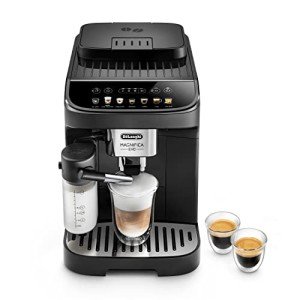
Bean to cup machines can be a great convenience at home and in the workplace. They save money and time by removing the need throw away coffee pods and other coffee waste. They also create beautiful consistent coffee cups without the need for training staff. This can be particularly beneficial for bars and restaurants where staff might be pressed for time to prepare and serve coffee. These machines are also able to allow users to customize their coffee strength and choose their personal drink recipe.
They also eliminate the need for an additional mill, which saves both space and money. They have a built-in grinder to grind whole beans on demand, giving the best taste and aroma. They also have the ability to heat and texturize milk on-demand to create a variety of drinks, such as cappuccinos, lattes and flat whites.
The primary benefit of a bean-to-cup machine is that it eliminates the need for paper filters and coffee pods. This reduces waste and saves on replacement costs, making them a more eco-friendly option than traditional coffee machines. These machines only grind the amount of coffee beans required for a particular drink recipe, so there is no waste.
Additionally, these fully automated machines can help businesses decrease their environmental impact. By reducing the amount of waste they generate beans-to-cup machines could save businesses up to $120 per month on average in the US.
The technology is also gaining in popularity in the retail sector and a growing number of convenience stores are including it in their menus. They provide a premium service to customers, and can increase the sales of other items like soft drinks and snacks.
Bean-to-cup machines are more expensive upfront than pod machines. It is essential to consider the financial risks and benefits before you purchase one. They can be leased on a monthly basis, making them a great option for small-scale companies. This is an excellent way to test out the machine before investing in it permanently.
Varieties of coffees
Unlike pod coffee machines, which can be restricted to a limited number of flavors, bean-to- cup machines can be used to create unlimited options. These machines grind whole coffee beans, and then prepare the brew in the cup you want, giving you the same experience as barista made drinks. This is ideal for people who like to make drinks with fresh high-quality ingredients. The machine also allows you to enjoy a range of different flavors, such as hot chocolate and tea.
Bean-to cup coffee machines are an advantage over pod-based machines since they don't use disposable plastic capsules. This is an aspect you should consider when your workplace is concerned about the amount of coffee it consumes. Bean-to-cup machines generally use ground coffee instead of pre-packaged pods. They produce less waste.
Additionally, these machines can use various beans, ranging from the standard variety to more exotic varieties. There are a variety of choices, from the well-known Blue Mountain Jamaican coffee to the obscure Kopi Luwak. These machines are easy to operate and produce various coffees.
The coffee machines are also equipped with an internal grinder, which ensures that the coffee is freshly prepared each time. They also have the ability to automatically grind beans to the right consistency. This is more convenient than a manual mill and allows you to determine how strong your beverage is. The machine can also be programmed to dispensing an exact amount of water based on the coffee you select.
Modern bean-to cup machines can be connected to the internet, so that you can access them from any location. This is particularly useful in workplaces where employees are always on the move and cannot be in the office to brew coffee. This feature is a great way to increase employee productivity and satisfaction in the office.
Despite the higher cost upfront, bean-to-cup machines could help your business save money over time by reducing the cost of barista-made coffees. Additionally they are much easier to maintain than pod-based coffee machines.
Maintenance
Bean-to-cup machines produce drinks with fresh beans and milk, unlike pod machines. They also have the advantage of creating drinks with a more delicious flavour. However, they can be more expensive to operate because they require a greater initial investment. To ensure that they are running properly, they also require regular cleaning and maintenance. If you do not clean your machine regularly, it can cause taste problems and lead to bacteria buildup in the pipes and tubes.
It is essential to clean your coffee maker each day. Arfize is the best commercial descaler to use. White vinegar is not suitable for this job, since the acid can cause damage to the seals and parts of the machine. It is also important to do a backflush at minimum every two weeks. This is important as it removes any milk residues that could have accumulated in the tubes and pipes.
Every week, you should clean the brewing group and milk nozzles. This will ensure that the machine remains free of limescale as well as other deposits. It also helps to prevent blockages from occurring in the future. It is also a good idea to perform a complete descaling process every month. This will prevent blockages, ensure a high level of hygiene, and meet the health and safety standards.
It isn't easy to maintain bean-to-cup machines, but you can make them last longer by following the tips below. Select a manufacturer that offers detailed instructions on how to maintain the machine. This will help you understand how it operates and what steps you must follow to maintain it. This will allow you to get the most out of the bean-to-cup machine, and avoid any costly errors.